

Since the launch of Saudi Vision 2030 in 2016, the Kingdom has entered a new phase of driving national transformation, a phase defined by a clear compass, decisive execution, and a robust capacity to measure impact. Over the years, Vision 2030 has evolved into a practical framework that invests in strengths, reshapes the economy, society, and the public sector, and imbues development with a broader meaning centered on creating opportunities, expanding participation, and enhancing human readiness for the future.
This transformation is reflected in the figures and progress in objectives recorded by Vision 2030 through 2024:.
- The unemployment rate fell to 7.8% from 12.3% in 2016
- Non-oil GDP reached $681 billion
- Women’s participation in the labor market hit 34%,
- Homeownership rose to 65.4%
The Vision 2030 annual report also reveals that 93% of key performance indicators (KPIs) have been achieved or are on track to be completed by 2030, reflecting the maturity of the Saudi experience in translating ambition into steady, tangible results.
In the pursuit of national transformation, Vision 2030 places the individual at the heart of the entire project—in education, the labor market, skills, leadership, and quality of life. Vision 2030’s impact has expanded from economic reform to a path that reshapes opportunities, elevates societal readiness, and opens broader horizons for Saudi youth to participate in shaping the future.
Economic diversification stands out as one of the most significant manifestations of this shift. Today, the Saudi economy is expanding its share in non-oil sectors, opening new fields in tourism, entertainment, logistics, technology, and the nonprofit sector. With this expansion, new pathways are coming to the forefront: entrepreneurship, innovation, leadership, data, design, community work, and sustainability. On a social level, Vision 2030 has helped reshape society to be more open to knowledge, culture, work, and participation. The percentage of university graduates who secured jobs within six months of graduation rose from approximately 13% at the start of the Vision 2030 to 43% in 2023. This reflects a vital change in the relationship between education and opportunity,, qualification, and integration into the labor market. These indicators reveal that Saudi society is undergoing a transformation that goes beyond mere numbers to a realistic reshaping of life paths, work, and ambition.
In this context, Mohammed Bin Salman Foundation (“Misk)”steps forward as one of the entities operating within this transformation from its most critical angle: the human being. Misk was established in 2011 as a nonprofit foundation that seeks to develop youth through education, entrepreneurship, leadership, culture, and innovation. It works to build an ecosystem that enables Saudi talents to learn, grow, and contribute to shaping the Kingdom’s future. This positioning makes its relationship with Vision 2030 a natural and direct one, as both stem from the same core idea: investing in capabilities as the foundation for any sustainable transformation.
The relationship between Vision 2030 and Misk becomes clearer when looking at the actual work streams within the Foundation. Misk does not merely present general concepts of empowerment; rather, it offers programs, partnerships, and development spaces that create a real transition in an individual’s journey, from learning to skill, from skill to leadership, and from leadership to impact. In this sense, Misk appears as part of the infrastructure that translates certain Vision 2030 objectives into tangible opportunities and measurable, scalable experiences.
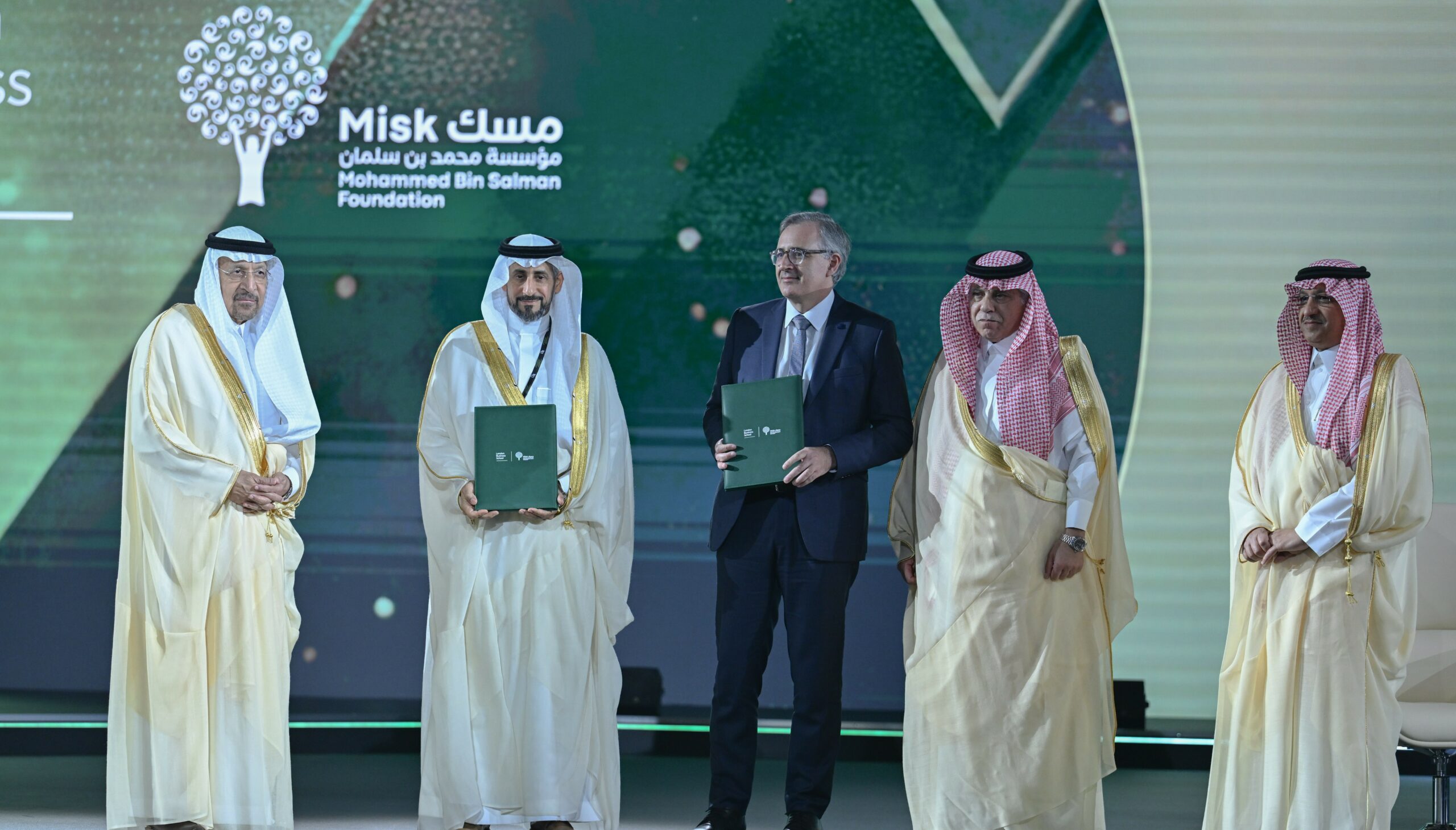
Regarding human capital development, Misk provides a clear model for this role. The partnership signed by Misk with the London Business School in April 2025 came to facilitate collaboration in the fields of leadership development, executive education, scientific research, and strategic communication, with a focus on preparing a new generation of young leaders and expanding access to high-quality, specialized education. This partnership aligns with the path Vision 2030 is taking to build national competencies capable of working across various sectors and leading the next phase.
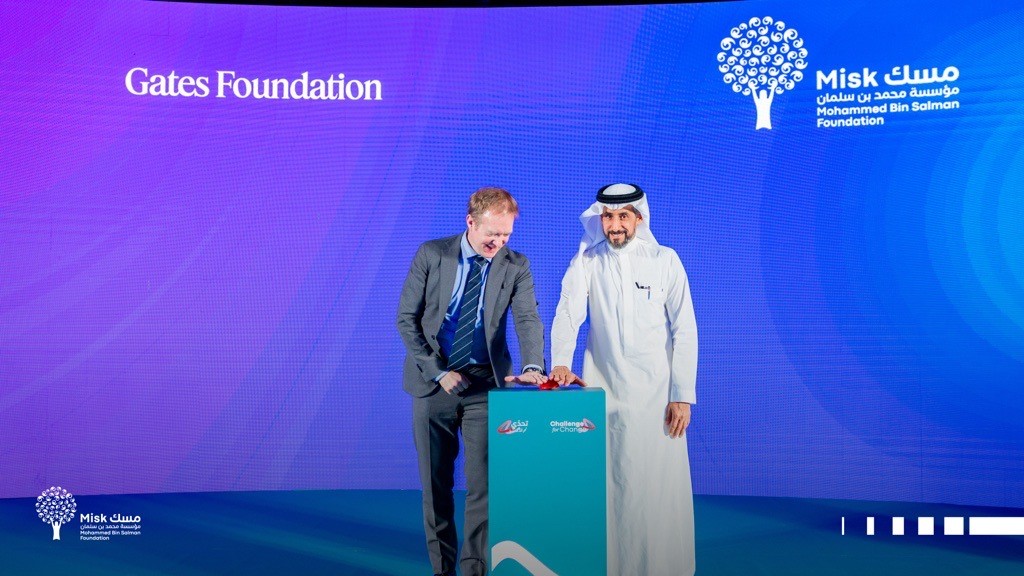
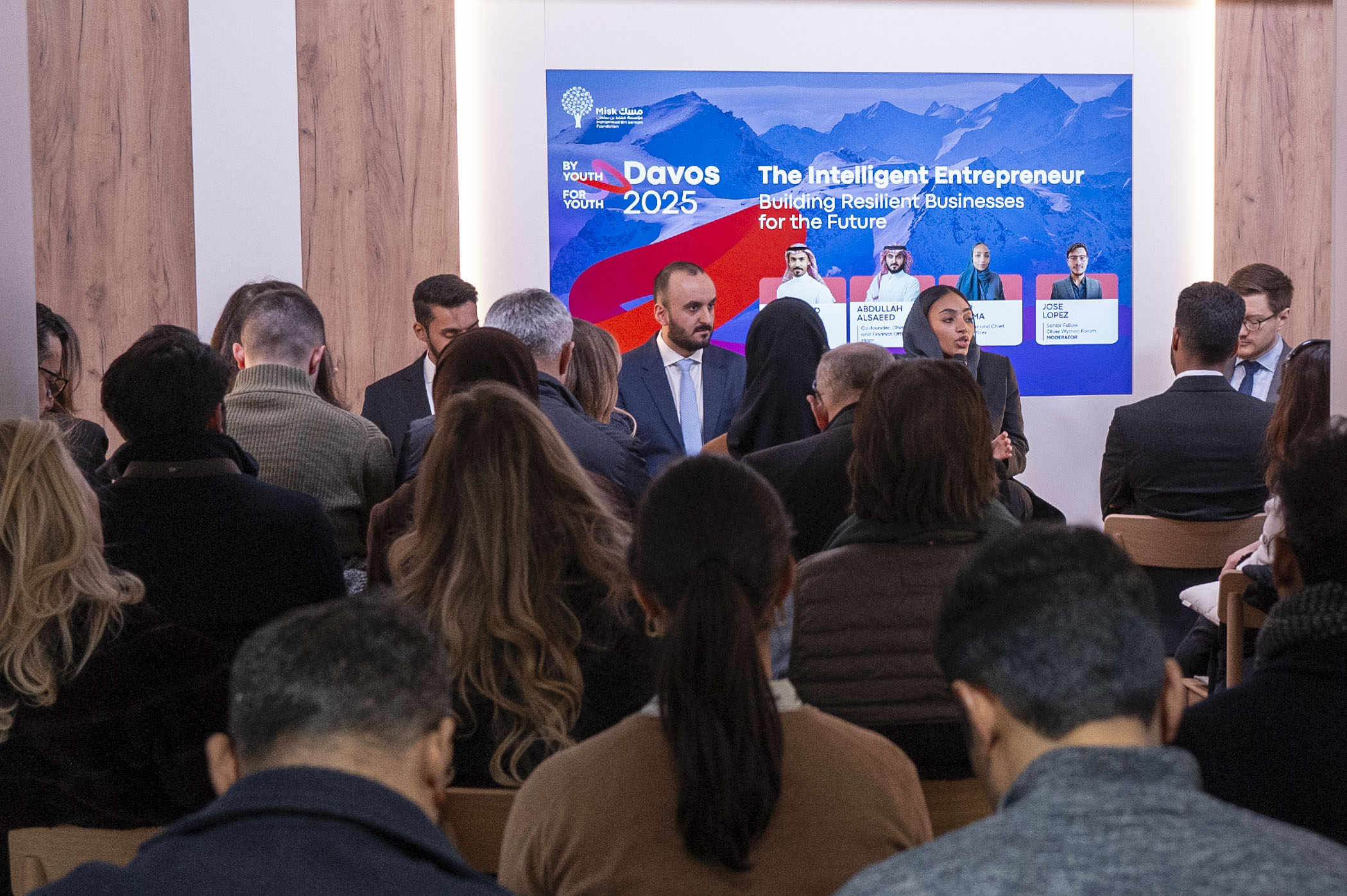
In the path of youth empowerment and impact creation, Misk, in partnership with the Gates Foundation, announced the launch of the “Challenge for Change” program in April 2025. The program aims to empower nonprofit organizations and social enterprises in Saudi Arabia to develop innovative solutions for global developmental challenges. This program reflects a broader understanding of the role of Saudi youth; they are not merely beneficiaries of transformation opportunities, but partners in producing solutions and creating initiatives with local and global impact.
This orientation is also evident in Misk’s presence across platforms and forums that expand the circle of interaction, knowledge, and communication. MiskThe Foundation’s official platforms showcase its programs and initiatives as pathways that place youth in continuous learning, exchange, and development environments. This enhances future readiness and gives empowerment a practical dimension linked to real opportunities, rather than general slogans alone.
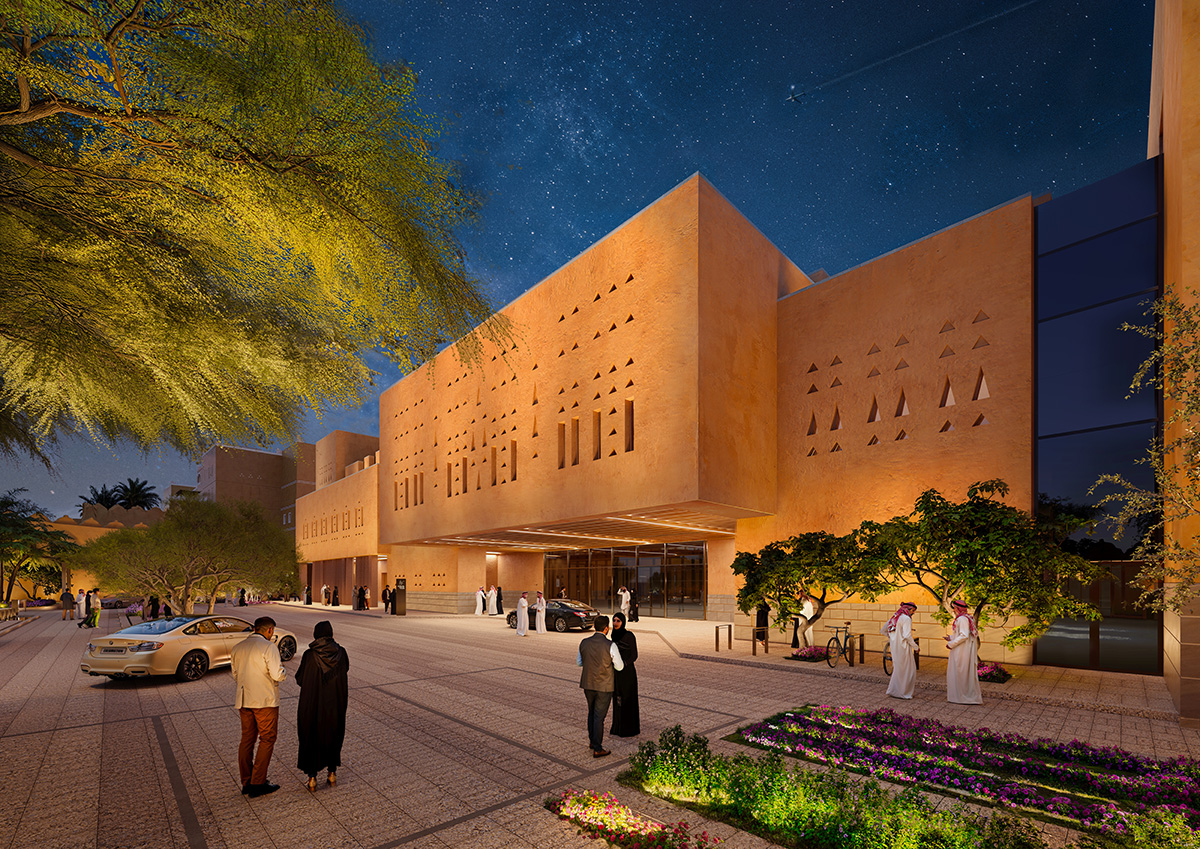
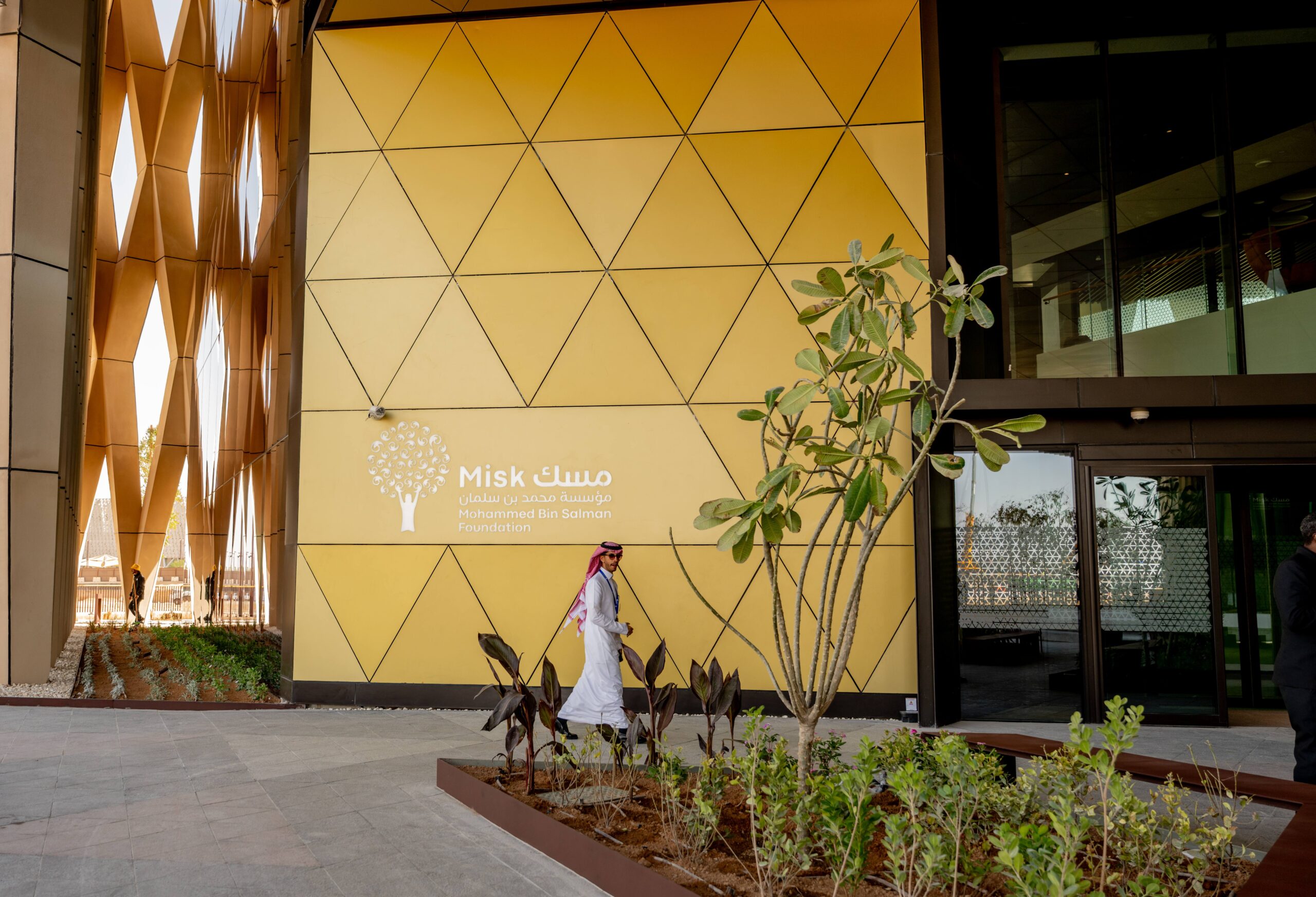
As for Mohammed Bin Salman Nonprofit City (Misk City), it represents the spatial and intellectual extension of Vision 2030. It is the first nonprofit city of its kind in the world, a pioneering urban model reflecting the Kingdom’s ambition to develop knowledge, creativity, innovation, and entrepreneurship while providing an environment that hosts the Misk Foundation ecosystem and expands its impact. In this sense, Misk City offers a practical image of how grand ideas transform into an environment where people live, learn, work, and innovate within a framework designed from the outset to serve both humanity and development.
The city’s strategy confirms its status as a qualitative project linked to building a new urban environment for the nonprofit sector and the knowledge economy, while the city’s events demonstrate a clear path in integrating sustainability into its developmental model. In July 2025, a 20-year solar energy agreement was announced with Emerge to supply Misk City with clean electricity. This step reflects the linking of urban growth with energy solutions and environmental sustainability, in line with the broader national trend toward more efficient and future-ready cities.
When bringing these elements together, the relationship between Vision 2030 and Misk Foundation emerges as one of integration atin both the level and function. Vision 2030 defines the broad national path, while Misk works on the human who will lead this path and ensure its continuity. Vision 2030 opens the horizon, and Misk prepares those who will enter this horizon with confidence, skill, and knowledge. Vision 2030 reshapes the features of the Saudi future, while Misk contributes to preparing the generation capable of turning this future into a living and renewed reality.
As the Vision 2030 approaches its tenth year, the value of this role is further confirmed. Great national experiences are measured by the achievements they realize and by their ability to prepare a generation to lead the stage. From this perspective, Misk stands out as an integral part of the national transformation story, as it operates in the space where impact begins: the human space, where an individual finds opportunity, acquires skill, and steps forward into a position of action, initiative, and leadership.